
Short-form clips edited for people who actually need. more than random cutdowns.
Short-form video editing for Reels, Shorts, TikTok, LinkedIn clips, podcasts, creators, coaches, agencies, and brands turning source footage into usable platform-ready clips.
A short clip has less time to explain itself.
The hook has to land fast. Captions have to be readable. The crop has to make sense. The clip needs enough context to stand alone — even if it came from a 60-minute podcast, webinar, YouTube video, or talking-head recording.
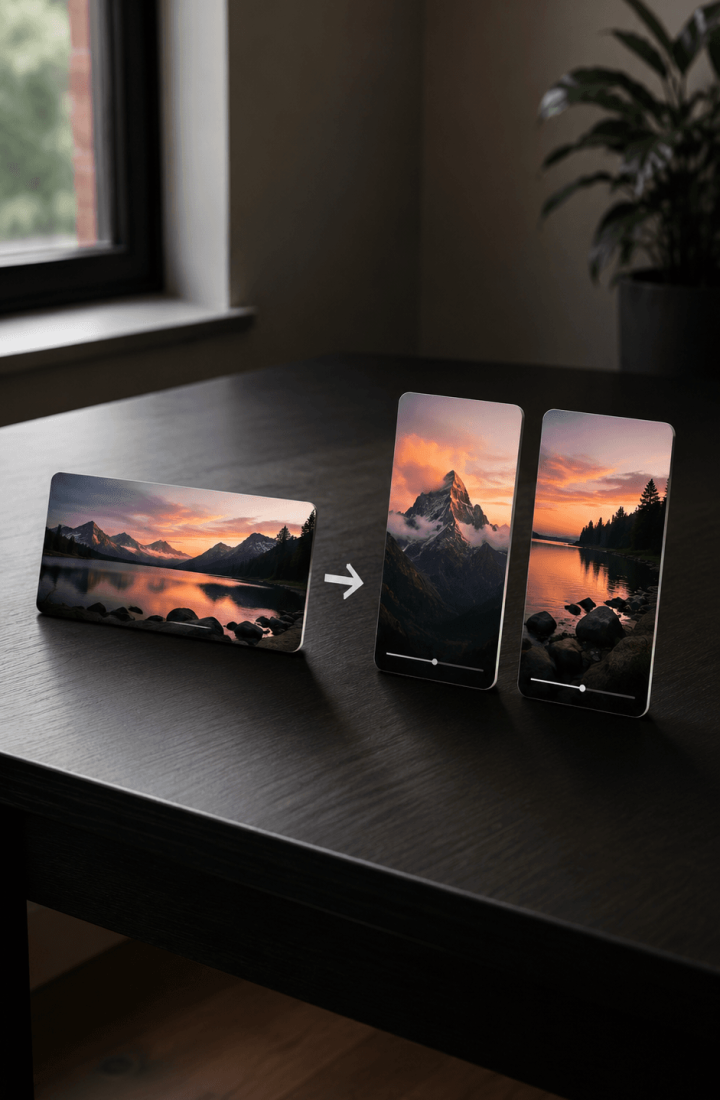
Xero Film edits short-form clips around the platform, not just the aspect ratio.
Helpful details: source footage length, number of clips, platforms, caption style, deadline, and reference clips.

Editing Problem
Most short-form clips feel weak because they were cut like leftovers.
A good moment inside a long recording still needs a new opening, new rhythm, and new context.
A podcast answer does not automatically become a good Reel. A YouTube section does not automatically become a Short. A webinar highlight does not automatically work on LinkedIn.
The clip has to earn attention on its own.
That means the first line may need to change. The setup may need to be removed. The caption timing may need to carry the idea. The ending may need to land cleanly instead of feeling chopped off mid-thought.
Short-form editing is not just “find the best bit and export vertical.
How We Edit
How we edit short-form videos.
One focused pass across selection, hook, captions, pacing, crop, and delivery.
We start by asking one question:
Can this moment stand alone?
If it can, we shape it for the platform. If it cannot, we either rebuild the context or leave it out.
Moment selection
We look for clips with a clear point, useful tension, strong opinion, teaching value, reaction, example, or answer that can work without the full recording.
Hook and context
The opening is tightened so the viewer understands what is happening quickly. Slow setup, extra greetings, and background filler get cut.
Caption readability
Captions are built for mobile viewing: clean line breaks, safe areas, readable timing, and emphasis only where the sentence needs it.
Pacing and cut rhythm
Dead air, repeated phrasing, and weak transitions are removed while keeping the clip natural enough to trust.
Platform versions
A LinkedIn clip, Reel, TikTok, and YouTube Short may need different pacing, crop, caption weight, or ending. Same source does not mean same edit.
Best Fit For
Best fit for source footage with usable moments inside.
This service works when the raw material has strong ideas, but the clips need proper selection and shaping.

Podcasts and interviews
For guest moments, host opinions, short answers, highlight clips, and recurring episode-to-clips workflows.

YouTube videos
For turning long-form episodes into Shorts, Reels, TikToks, LinkedIn clips, or teaser content.

Coaches and consultants
For lessons, webinars, frameworks, LinkedIn clips, authority content, and short-form ideas pulled from longer recordings.

Agencies and content teams
For batch output, client clip packages, campaign cutdowns, review-ready short-form assets, and recurring delivery folders.

Brands and personal brands
For founder clips, thought-led content, product explanations, social proof moments, and content that needs to feel clean without looking overdone.
Clip Quality Checklist
What makes a short-form clip usable?
A clip is not ready because it is vertical. It is ready when it makes sense without the source video.

Clear first second
The viewer should know quickly what the clip is about or why it matters.

Enough context
The clip should not feel like it started halfway through a private conversation.

Clean ending
The clip should close with a point, payoff, question, or natural stop — not just a hard cut.

Readable captions
Captions should work on mobile, stay inside safe areas, and avoid clutter.

Platform fit
A polished LinkedIn clip and a faster Short may come from the same moment, but they should not feel identical.

Batch Editing
Short-form works better in batches.
Batch editing keeps the style, captions, review process, and delivery cleaner across multiple clips.
One clip can be useful.
A batch is where short-form starts becoming a system.
If you record podcasts, YouTube videos, webinars, talking-head sessions, or client content, we can review the source footage and pull clips with a clear output plan: number of clips, target platforms, caption style, delivery format, and review round.
This keeps the work from turning into random exports with different styles every week.
Workflow
How a short-form project usually works.
Source footage in. Clip selection, edit, review, and delivery out.
Share the podcast, YouTube video, webinar, talking-head recording, interview, or timestamps if you already know the moments.
We confirm number of clips, platforms, caption style, aspect ratio, deadline, and whether we are selecting moments or editing provided timestamps.
Each clip gets its own opening, pacing, caption treatment, crop, and ending.
Feedback works best with timestamps, Frame.io comments, or a short Loom.
For recurring batches, caption rules, hook preferences, export settings, and delivery folders should become repeatable after the first few projects.
What This Service Is Not
This is not “cut 10 clips from this video” without judgment.
More clips do not automatically mean more useful content.
We are not pulling random timestamps just to hit a number. We are not using loud captions to cover weak moments. We are not turning every brand into a trend account.
If the source has five good clips, we should not pretend it has twenty.
If a clip needs context, we build it.
If the moment is interesting but not strong enough to stand alone, we skip it or reshape it if the scope allows.
What We Avoid
Random cutdowns. Overcrowded captions. Clips with no context. Trend-copy editing. Weak endings. Same edit forced across every platform. Batch exports with no naming or delivery logic.
What We Focus On
Moment selection, hook strength, fast context, readable captions, platform crop, pacing, clean endings, and organized delivery.
Related Editing Paths
Related editing paths.
Short-form editing often connects with long-form, podcasts, talking-head content, and repurposing.
YouTube Video Editing
For long-form videos that can also feed Shorts and social clips.
Podcast Editing
For full podcast episodes plus guest clips, highlights, and short-form cutdowns.
Talking Head Editing
For expert-led recordings that need clean long-form edits and short-form authority clips.
Content Repurposing
For turning one recording into multiple assets across platforms.
Questions about short-form video editing.
Practical answers before you send footage.
Depending on scope, it can include clip selection, hook shaping, pacing cleanup, captions, crop, B-roll, text emphasis, platform versions, review, and final exports.
Yes, if moment selection is included. We can review podcasts, YouTube videos, webinars, interviews, or talking-head recordings and pull the strongest usable sections.
Yes. If you already know the moments, send timestamps with notes. We’ll focus on shaping those clips properly.
Yes. Each platform may need different pacing, crop, caption weight, and ending. We do not treat every vertical clip the same.
Yes. Captions can be included with readable line breaks, timing, emphasis, and safe-area checks.
It depends on the source. Some recordings have a few strong standalone moments. Some have many. The goal is useful clips, not inflated output.
Yes. Short-form editing works well as a recurring batch workflow for creators, podcasts, coaches, agencies, and brands that record regularly.
Send the source. We’ll find the clips worth cutting.
Share the footage length, platforms, number of clips, deadline, and caption style you want.
Start with one podcast episode, one YouTube video, one webinar, one talking-head recording, or one batch-filmed session.
No forced call before the scope is clear. No commitment from sending a brief.
If the source has strong short-form moments, we’ll help shape them. If it needs long-form editing, repurposing, or a different setup first, we’ll say that before quoting the wrong thing.
Helpful details: source length, number of clips, platforms, caption references, brand rules, deadline, and whether you want us to select moments.